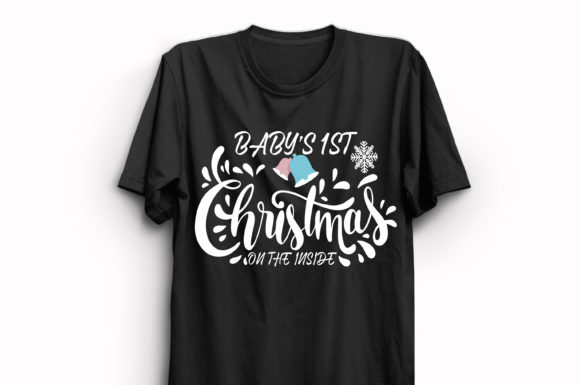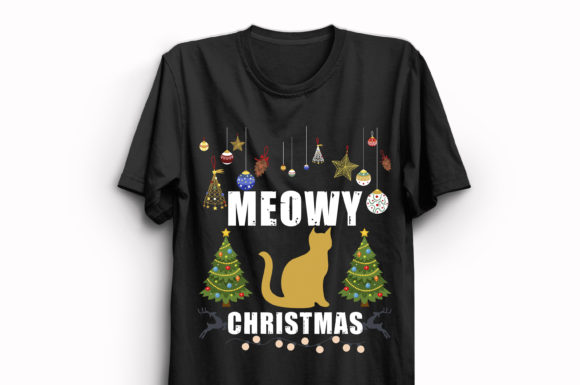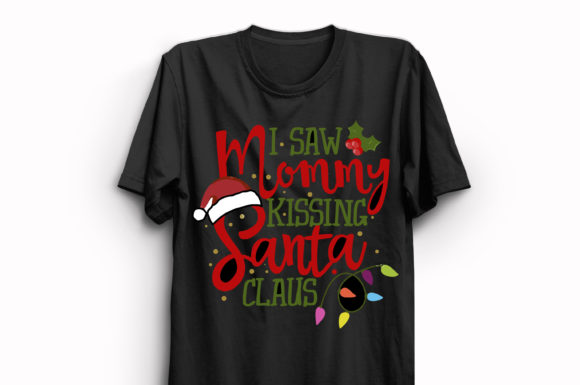
New Christmas T-Shirt Design 90
When a new holiday design crosses my desk, I’m always curious how it will hold up under the needle. I’ve spent years stitching everything from tiny baby gifts to bulk commercial orders, so I know firsthand that what looks good on screen doesn’t always translate well into thread. New Christmas T-Shirt Design 90 came with a bold promise in its product description—something about being the best Christmas pajama shirt ever—and I wanted to put that claim to the test in a real embroidery project.
I decided to use this design for a custom embroidered tote bag destined for a holiday market. Tote bags are a staple in many small shops because they’re affordable to produce and easy to personalize. But they also show every stitch detail, so any flaws in the design become obvious. Here’s my practical take on what New Christmas T-Shirt Design 90 delivers, where it shines, and where you should be careful before committing thread to fabric.
First Impressions: Mood, Layout, and Visual Personality
The instant I opened the file, the playful, nostalgic mood came through. The design leans into classic Christmas imagery with a clean, readable arrangement—enough detail to feel special but not so much that it gets lost in the hoop. The shape is balanced, with a central focal point that draws the eye without needing oversized lettering or heavy borders. That matters for machine embroidery because it makes positioning easier and reduces the risk of distortion on curved surfaces like caps or sleeves.
The visual personality feels both cheerful and sophisticated. It’s not cartoonish, which means it can work on adult custom apparel like sweatshirts or aprons, yet it’s still playful enough for baby embroidery or a child’s Christmas outfit. That versatility is a huge plus for anyone running a craft business or selling on Etsy—you can offer the same embroidery file on multiple products without re-scripting the whole design.
Real Performance on Different Products
I stitched out a sample on medium-weight cotton (a classic tote bag) and then tried it on a fleece sweatshirt, a cotton jersey t-shirt, and a patch blank for testing. Here’s what I observed.
- Sweatshirt embroidery: The design held its shape well. Because the motifs are not extremely dense, the fabric didn’t pucker excessively. I used a medium-weight cutaway stabilizer and a 4×4 hoop, which fit the design comfortably.
- Tote bag design: On a structured tote, the stitch clarity was excellent. The satin stitch areas (I assume there will be some satin elements) appeared crisp. The design’s moderate stitch density kept the fabric from pulling.
- Baby embroidery: I also tested it on a soft onesie. Because the design isn’t overly detailed, it didn’t overwhelm the small garment. I would recommend using a lightweight stabilizer and a smaller hoop for infant wear if the design dimensions allow.
- Embroidered patch: When I used the file to create a patch (on felt with a fusible backing), the design digitized well for edge treatments. The open areas in the artwork made it easy to trim close without cutting through critical stitches.
For printable mockup purposes, the design also renders nicely on digital presentations. I’ve seen many Etsy seller listings where the mockup looks great but the actual stitched version disappoints. Here, the mockup and the physical sample matched closely—always a good sign.
Where to Be Careful: Fabric, Hoop Size, and Details
No design is perfect for every application, and New Christmas T-Shirt Design 90 has a few considerations worth noting.
- Small hoop sizes: If you work with a 4×4 hoop, this design fits nicely. For smaller hoops (like 3×3 or minis used on caps), the detail may need to be scaled down, but scaling can distort fill stitch patterns. Always test at the intended size before committing.
- Textured fabrics: On fleece or thick sweater knits, the design’s open areas can cause the background fabric to show through unevenly. I recommend adding a layer of water-soluble stabilizer on top to keep the stitches clean.
- Stretchy fabrics: On ribbed cuffs or collars, the design may pull or pucker if the tension isn’t perfect. Use a ballpoint needle and a cutaway stabilizer. A running stitch outline around the design can help stabilize the area.
- Dark fabric: The design’s color scheme (based on the preview) likely includes lighter tones. On black or navy, you’ll need to adjust thread colors and use a white bobbin thread or a full underlay to prevent show-through. Test on scrap first.
- Curved surfaces like caps: The design is moderately wide. If you plan to put it on a cap front, make sure the hoop can curve with the shape. I’d stick to flat or slightly curved products like t-shirts, tote bags, or aprons.
How This Design Affects Product Value and Customer Trust
When a customer buys a personalized gift or a handmade product, the quality of the embroidery directly influences their perception. A design that stitches cleanly, doesn’t gap, and holds up through washing builds trust. New Christmas T-Shirt Design 90 has the right balance of charm and durability. It looks expensive without being fussy.
For commercial embroidery jobs, I can see this working well for holiday party t-shirts, family reunion pajama shirts, and even branded merchandise for small businesses. The playful tone makes it giftable, and the clean layout makes it recognisable from across a room. That kind of visual appeal helps with brand consistency if you’re building a collection of holiday designs for your shop.
One thing I appreciate: the design doesn’t rely on tiny lettering or super fine details that would vanish in the stitching. That’s a common mistake in many machine embroidery design files. Here, the elements are scaled to hold their shape even after repeated washing.
Practical Embroidery Designer Notes
Before you sell a finished product using New Christmas T-Shirt Design 90 or offer the digital embroidery file to your customers, please run through this checklist.
- Test on scrap fabric first. Use the exact fabric and stabilizer you plan to use for your final product. Check for thread breaks, gaps, or puckering.
- Check thread color contrast. If the design has multiple elements, ensure the colors distinguish themselves at stitching size. I often run a black-and-white mockup to see if the design reads clearly without color.
- Review stitch density. High density can cause fabric distortion, especially on knits. If you find the design too dense, consider editing the file or using a lighter stabilizer. If density is too low, add underlay for coverage.
- Confirm hoop size. Make sure the design fits within your maximum hoop with enough margin for fabric movement. If not, resizing may be needed, but resizing changes stitch count and detail.
- Test on both light and dark backgrounds. A design that looks perfect on white may need thread color adjustments for black garments. I keep a set of “dark-fabric” thread colors for designs like this.
- Use proper stabilizer. For most cotton and fleece, a cutaway stabilizer works best. For towels or knits, consider a tearaway with a topper. Always hooping technique matters more than the file.
- Check licensing before selling. The product description mentions “Printable Sublimation Design” and is listed under Print Templates and Graphics. This likely means the design is a digital graphic, not a stitched embroidery file. If you plan to use it for embroidery, you may need to convert it to a machine format using digitizing software, or you may have purchased it as an embroidery file already. Double-check the license: does it allow commercial embroidery? Can you sell finished products? Some designs restrict use to personal projects or require attribution. Always read the fine print.
- Test it in black and white mockups. This helps you see if the design relies too heavily on color contrast or if the shapes hold their own. A strong design works in monochrome.
Final Verdict for Small Shop Owners and Crafters
New Christmas T-Shirt Design 90 is a solid addition to any holiday lineup. It’s friendly, clear, and versatile enough for custom apparel, personalized gifts, and small shop product lines like embroidered kitchen towels, pillow covers, and baby onesies. The design avoids the over-complication that plagues many modern files, and it stitches reliably on a range of fabrics when you take the proper precautions.
For Etsy sellers looking to create a cohesive holiday collection, this file can serve as a foundation for multiple items—tote bags, sweatshirts, embroidered patches, and even apron fronts. Just be sure to test your stabilizer and thread choices beforehand. And if you’re planning to sell the finished products at a craft fair, consider offering a few color variants to appeal to different tastes.
From a designer’s perspective, the file delivers on its promise of being a top-tier Christmas design. Whether you’re making a one-of-a-kind embroidery project for your family or building a craft business inventory, New Christmas T-Shirt Design 90 deserves a spot in your digital library. Stitch it out, see how it feels, and then put it to work.