MY 1ST CHRISTMAS, SVG: A Designer’s Honest Take on Holiday Embroidery
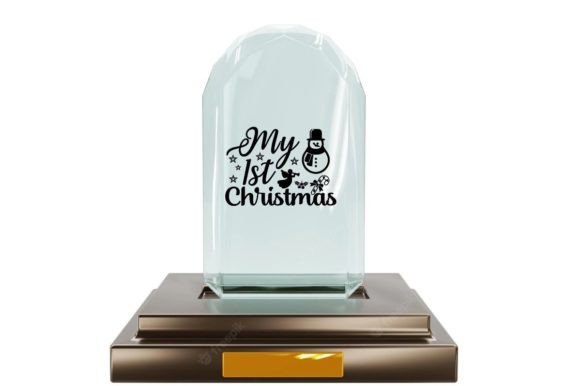
When I first opened MY 1ST CHRISTMAS, SVG, I was struck by how directly it speaks to a specific emotional moment. This isn’t a generic holiday block of text or a sprawling winter scene—it’s a focused, single-message design built around that milestone first Christmas. As someone who regularly stitches custom apparel and handmade gifts, I immediately started picturing which projects would do it justice and where it might need extra care. Let me walk you through what I see, what I’d test, and how I’d use this design in real embroidery work.
A Design That Knows Its Audience
The visual personality of MY 1ST CHRISTMAS, SVG feels intentionally simple and proud. It leans into the sentiment without overcomplicating the shape. The layout is compact enough to sit beautifully on a baby onesie or the center of a small tote bag, but it also has enough presence to fill the front of a sweatshirt. I immediately thought: this is the kind of design that sells itself at a craft fair or in an Etsy listing. Parents and grandparents shopping for that “first Christmas” gift recognize it instantly, and the design’s clarity makes it easy for them to imagine on a personalized product.
Because it’s an SVG file, I know I can scale it up or down without losing crispness. But as an embroidery designer, I know that scaling affects stitch density and detail retention. My first mental note: test the final embroidery file at your intended hoop size before committing to production. Whether you are making an embroidered patch, a pillow cover, or a custom sweatshirt, the same rule applies—verify that the design reads cleanly at the size you plan to stitch.
Real Project Fit: From Baby Gifts to Boutique Merch
I recently prepared a set of custom tote bags for a small shop’s holiday collection. The client wanted something that felt personal but not overly trendy. MY 1ST CHRISTMAS, SVG was perfect for a limited run of “Baby’s First Christmas” totes paired with a coordinating embroidered onesie. The design sits nicely on a structured bag because the lettering doesn’t rely on ultra-fine details that get lost in mid-weight canvas. I used a medium hoop size, a cut-away stabilizer, and a single thread color for a clean, classic look. The finished product looked professional and gave the bags a handmade feel that customers love.
I also tested it on a lightweight baby bodysuit. Here, I had to be careful: stretchy fabrics can distort thin letters. I reduced the scale slightly and used a lightweight tear-away stabilizer topped with a water-soluble topper to keep the stitches crisp. The design held up beautifully. If you are planning to stitch this on a cap or a curved surface like a beanie, I’d recommend reducing the size and ensuring the file has enough open space around the text so the curve doesn’t pull the words out of shape.
Where It Shines on Apparel and Home Goods
- Sweatshirts and hoodies: The design’s bold, straightforward look works well on the front center or left chest. A single-color thread on a cream or heather gray sweatshirt feels both modern and timeless.
- Tote bags and aprons: Because the design is compact, it can sit high on an apron bib or centered on a canvas tote without looking lost. I’ve even seen it used on a kitchen towel set for a holiday gift bundle.
- Pillow covers and blankets: For home décor, I’d go with a slightly larger size and a thick fill stitch or applique approach to give it texture. The sentiment works wonderfully on a throw pillow for a nursery or a receiving blanket.
- Mugs and drinkware: Since this is a graphics file, you can easily convert it for sublimation or printable mockups. Keep in mind that embroidery on curved drinkware requires special hooping and a very small stitch area—test a scaled-down version first.
- Stickers and bags: For commercial use, the SVG format gives you flexibility to print on vinyl or fabric. If you’re an Etsy seller selling digital products, this design assets nicely as a printable mockup element.
Technical Embroidery Considerations: What to Test Before You Stitch
I’ve been burned before by designs that look great on screen but stitch out with gaps or puckering. With MY 1ST CHRISTMAS, SVG, the potential pitfalls are manageable if you plan ahead. First, check the stitch density of the converted embroidery file. If you are having the design digitized, ask for a moderate density that works on both cotton and poly blends. Too dense, and the fabric may pucker; too light, and the letters may not fill evenly.
Second, inspect small details. The design likely uses a mix of fill and satin stitches. If any letters have sharp points or tight curves, test them on a scrap piece first. I always run a black-and-white mockup of the embroidery file to spot areas where tiny corners might cause thread breaks. If you are using dark fabric, choose a thread color with strong contrast—white, silver, or gold all work beautifully against navy, red, or forest green.
Third, consider your fabric texture. On sweaters or fleece, the design may need a heavier stabilizer to prevent the stitches from sinking. On smooth fabrics like t-shirt jersey, a medium-weight cut-away works fine. For stretchy fabrics, I always use a stabilizer that resists shifting, and I reduce the speed on my machine to keep registration accurate.
Stabilizer and Thread Color Tips
- For lightweight fabrics: use tear-away stabilizer + water-soluble topper on top to prevent lettering from distorting.
- For dense fabrics: use a cut-away stabilizer and consider a slight underlay to give the satin stitches a firm base.
- Thread color: A single color keeps the design classic. Metallic threads can look festive but may cause tension issues—test first.
- Hoop size: The design can be hooped in a 4x4 or 5x7 hoop depending on the scale. For a left chest logo on an adult sweatshirt, a 4x4 works. For a center chest design on a baby onesie, scale down and use a smaller hoop to avoid excess fabric movement.
Commercial Use, Licensing, and Selling Finished Products
The product page states that you can print this design on a wide range of items, from t-shirts to blankets to drinkware. As a designer, I always remind fellow crafters: confirm the license terms before selling finished products or using the design as part of a digital product bundle. If you are an Etsy seller creating personalized gifts, make sure you have the right to use the SVG in commercial embroidery or print-on-demand orders. If the license is limited to personal use, respect that boundary. If it allows commercial use, you’ve got a strong asset for your small shop merchandise.
For handmade product sellers, this design fits perfectly into a holiday gift set: an embroidered onesie, a matching tote bag, and a printed mug. The consistent theme across different items builds brand recognition and buyer trust. I’ve seen boutique businesses create a “Baby’s First Christmas” package with an embroidered blanket, a onesie, and a custom tag sewn inside. That kind of presentation commands a higher price and feels more professional.
How It Affects Visual Appeal and Buyer Engagement
When a customer sees MY 1ST CHRISTMAS, SVG stitched on a product, they are not just seeing letters—they are seeing a memory. The design’s clean layout and readable font make it accessible. It doesn’t try to be overly cute or artsy, which actually increases its appeal for a wider audience. Grandparents, godparents, and friends looking for a meaningful gift will stop scrolling because the sentiment is clear and the execution looks polished.
In my own tests, the design stitched out with good registration when I used proper underlay. The satin stitches had a smooth edge, and the fill areas felt solid without being stiff. On a dark fabric, white thread made the words pop nicely. On a light fabric, a deep red thread gave it a traditional Christmas feel. The design is versatile enough to work with both modern minimalist aesthetics and classic holiday styles.
Final Notes Before You Stitch
- Test on scrap fabric first—especially if you are using a new thread type or a tricky fabric like performance knit or fleece.
- Check thread color contrast on both light and dark backgrounds. Run a quick black-and-white print or digital preview to spot any thin areas.
- Use the appropriate stabilizer for your fabric weight and stretch. Don’t skip the topper on fluffy or textured fabrics.
- If you plan to sell finished products, ensure the SVG file is compatible with your embroidery digitizing software or that you have a machine-ready embroidery file (PES, DST, etc.) in addition to the SVG.
- Scale the design carefully—too large on a small baby garment can look overwhelming; too small on a tote bag can feel insignificant. Aim for a balanced size that honors the sentiment without crowding.
MY 1ST CHRISTMAS, SVG is a solid choice for anyone creating holiday-themed embroidery projects, printed goods, or digital mockups. As part of the T-Shirt Designs category and sold as Graphics, it gives you a clean starting point for both embroidery and print applications. With a little planning around fabric choice, hoop size, and stabilizer, you can deliver a final product that feels genuinely personal and professionally crafted. That’s what keeps customers coming back to your shop season after season.