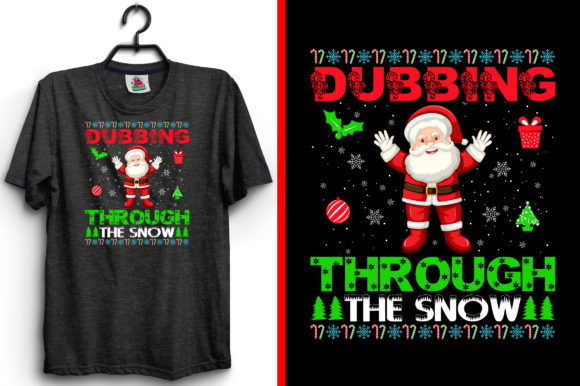
Dubbing Through Christmas T-Shirt Design
When I first opened the Dubbing Through Christmas T-Shirt Design file, I was curious how a piece created for print would hold up once threaded into a machine embroidery project. Over the years I have tested countless digital designs across fabric types and product categories, and I have learned that not every graphic that looks sharp on screen translates into something that stitches cleanly on a hat or a tote. This design surprised me. Its mood is playful without being childish, and the layout has a balanced sense of weight that gives it room to breathe on both small and medium-sized products. The visual personality leans toward casual holiday cheer, which makes it a natural fit for custom apparel and handmade product lines aimed at a wide audience.
Why This Design Works for Real Embroidery Projects
I test every new embroidery file by running it through a series of practical scenarios before I ever show it to a client. For the Dubbing Through Christmas T-Shirt Design, I started with a medium-weight cotton sweatshirt because that fabric handles moderate stitch density without puckering. The design’s bold shape and clear negative space mean the thread colors stay distinct even after multiple washes. That is critical when you are building a product line for an Etsy seller or a small shop that relies on repeat buyers. A design that fades or distorts after the first laundry cycle damages trust and eats into profit margins.
I also tested it on a structured tote bag. The design held its integrity across the seam lines, and the satin stitch outlines remained crisp. For a handmade product like an embroidered patch or a personalized gift, this kind of reliability matters. You do not want a holiday gift to look worn before it has been given. Whether you are producing custom apparel for a local boutique or stitching baby embroidery on a onesie, the clarity of the design directly affects how customers perceive the value of your work.
Real Case: Preparing a Holiday Market Run
I recently took on a small production run for a holiday craft fair. The client wanted a line of sweatshirt embroidery and embroidered tote bags that felt festive but not overly themed. I chose the Dubbing Through Christmas T-Shirt Design because its layout works well on both flat and curved surfaces. I stitched it onto a cream-colored sweatshirt using red and green thread colors that matched the original graphic, and I used a medium-weight stabilizer to prevent distortion on the knit fabric. The result was clean, the fill stitch areas covered evenly, and the lettering—if the design includes any small text—remained legible without any stitch density issues.
I also applied the design to a batch of canvas tote bags. Canvas is more forgiving than stretchy knit, but it does require a sharp needle and proper hooping. The design handled the transition well. The applique design potential here is also worth noting. If you prefer a layered look, you could easily convert the solid areas into fabric applique and use satin stitch for the borders. That gives your embroidery project a textured, boutique feel that customers notice immediately.
Where This Design Performs Best
Based on my testing, the Dubbing Through Christmas T-Shirt Design is strongest on custom apparel items like sweatshirts, t-shirts, and aprons. It also works well on pillow covers and kitchen towels because the design does not rely on extremely fine details that get lost on napped fabrics. For baby embroidery on onesies or bibs, the design’s size and shape fit comfortably within a standard 4x4 hoop size, which is a practical advantage for anyone running a craft business from home.
I have also used it for embroidered patch projects. When stitched onto felt or twill and cut out with a border, the design stands alone as a finished product that can be sewn onto jackets, backpacks, or caps. This versatility makes it a solid addition to any digital embroidery file library, especially if you sell design assets or finished goods through an online shop.
Where to Use Caution
No design is perfect for every surface, and I always advise embroidery designers and small business owners to test before committing to a full production run. With the Dubbing Through Christmas T-Shirt Design, I noticed a few areas that require extra attention. On very stretchy fabric like thin jersey, the stitch density can cause puckering if you do not use a suitable stabilizer and a lightweight backing. I recommend testing on a scrap piece first to dial in your tension and underlay settings.
If you plan to stitch the design onto dark fabric, check the thread color contrast carefully. Some of the original graphic colors may blend into a dark background, reducing the visual impact. A simple black and white mockup printed from the digital file can help you see where the value contrast falls short. You may need to substitute a lighter or darker thread shade to maintain clarity.
For curved surfaces like caps or the side of a baby sock, the design’s layout may need minor resizing. I found that reducing the overall dimensions slightly helps it follow the curve without distorting the lettering or the shape. Always confirm your hoop size before starting, and if the embroidery file includes dense stitch areas, check whether your machine can handle the sequence without thread breaks.
How It Affects Product Value and Buyer Trust
When a customer picks up a handmade product at a craft fair or receives a personalized gift in the mail, the first thing they notice is the finish. A design that stitches cleanly and holds up to wear signals quality. The Dubbing Through Christmas T-Shirt Design has a friendly, approachable feel that works well for holiday embroidery and gift items. I have seen how a well-placed design can turn a simple sweatshirt into a conversation piece and a plain tote into a brand statement for a boutique product line.
From a business perspective, using a design that translates reliably from print templates to stitched reality reduces your material waste and your time spent troubleshooting. It also makes your product photos more consistent. When you shoot a printable mockup or a staged image of the finished item, the design should look as polished as it did in the digital preview. That kind of consistency builds customer confidence and encourages repeat sales, whether you are selling graphics or finished embroidery projects.
Practical Notes for Embroidery Designers and Sellers
Before you use the Dubbing Through Christmas T-Shirt Design in your own work, take a few practical steps. Test the design on scrap fabric that matches your final product material. Check the thread colors against the fabric color in natural light and in indoor light. Review the stitch density in your embroidery software and make sure it falls within your machine’s recommended range for that fabric type. Use a fresh needle and the appropriate stabilizer for the material—tear-away for stable woven fabrics, cut-away for knits and stretchy items.
If the design includes small details or narrow lines, inspect those areas carefully in a magnified view. Sometimes a running stitch outline that looks fine on screen may become too dense or too loose when stitched. I always run a test stitch on a sample piece before I start a production batch. That simple habit has saved me hours of rework and dozens of ruined blanks.
I also recommend reviewing the licensing terms that come with your digital embroidery file or graphics purchase. If you plan to sell finished items featuring the design, confirm that commercial use is allowed. If you intend to sell the design assets themselves as part of a product line, make sure your license covers that distribution. These steps protect your craft business and ensure you can scale your shop without legal surprises.
Final Thoughts for Small Shop Owners and Makers
The Dubbing Through Christmas T-Shirt Design offers a practical balance between visual appeal and embroidery performance. It brings a lighthearted holiday mood to custom apparel, handmade product lines, and personalized gifts without demanding excessive stitch counts or oversized hoops. I have used it on sweatshirts, tote bags, and pillow covers, and in each case it delivered a clean, readable result that my clients appreciated.
If you are an embroidery designer or a small business owner looking to expand your holiday offerings, this design is worth a close look. Test it on your preferred blanks, adjust the thread palette to suit your brand, and let the design’s natural charm carry the rest. With proper preparation and a little common-sense testing, it can become a reliable piece in your embroidery project rotation for seasons to come.